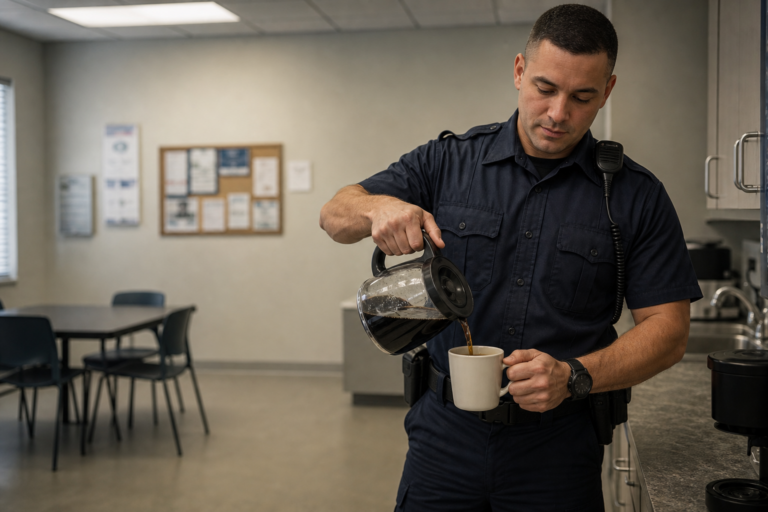
The Watch Call: Why Checking In Matters Behind the Fence
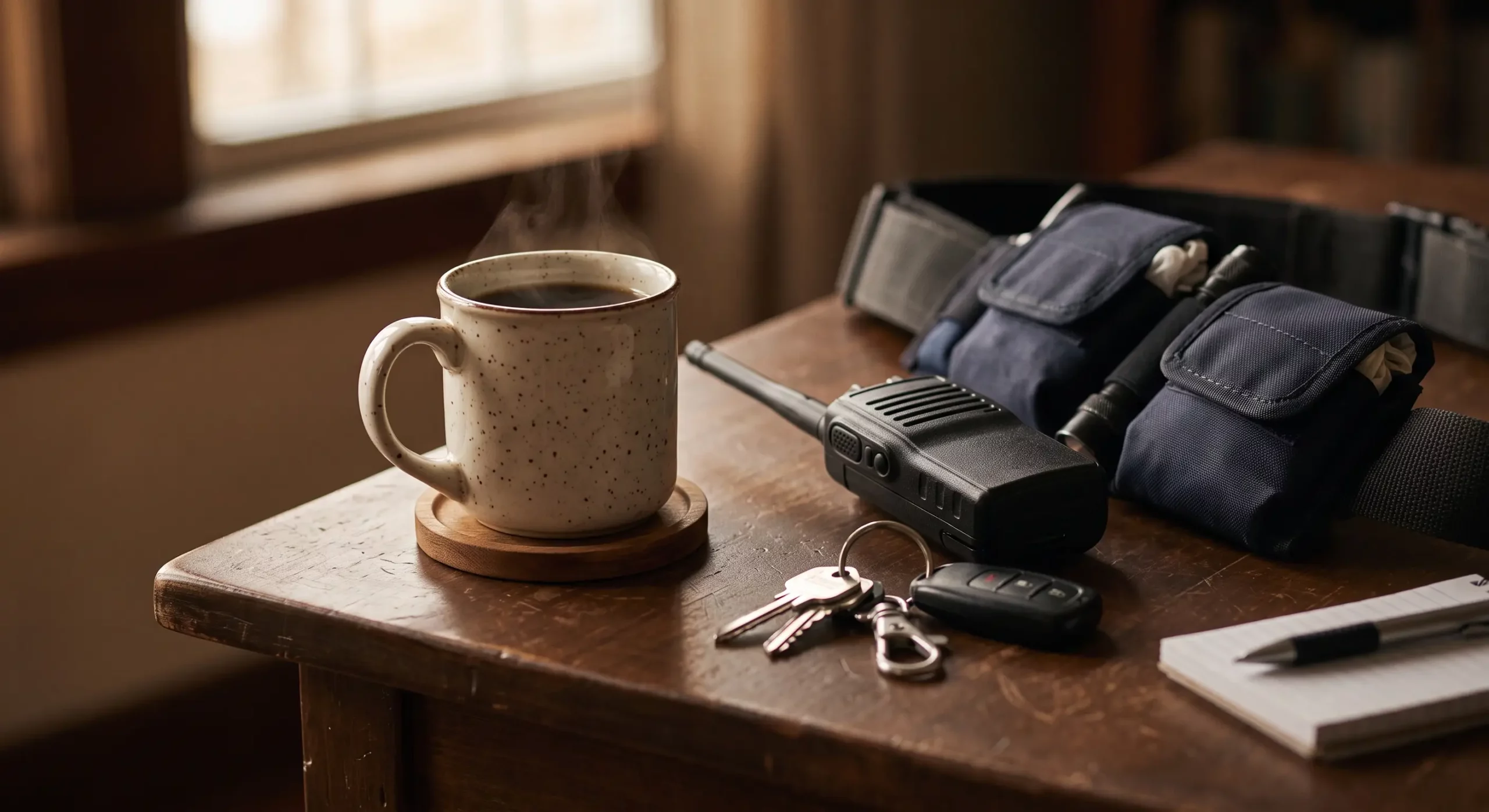
Long shifts. Locked doors. Radios. Keys. Constant awareness.
Correctional work is different. Much of it happens out of public view, behind walls and fences most people never see past. The work can be steady one minute and tense the next. It asks people to stay alert, make decisions under pressure, and carry responsibility long after the shift ends.
In that kind of environment, a simple check-in can matter more than people realize.
That is the meaning behind Watch Call Coffee. A watch call is more than a routine status check. It is a reminder to look out for the people who serve, especially the correctional workers, first responders, veterans, and families who understand what long hours and hard jobs can take out of a person.
Watch Call Coffee exists where duty meets coffee: small-batch roasted coffee made for people working hard jobs, with a mission rooted in supporting correctional-worker mental health and PTSD resources.
What Is a Watch Call?
In corrections and public safety, a watch call is a regular check-in. It helps confirm that someone is accounted for, alert, and okay. It may happen over a radio, during rounds, across a post, or in the normal rhythm of a shift.
On the surface, it is practical. It keeps people connected. It keeps the operation moving. It helps maintain safety.
But the idea reaches further than procedure.
For Watch Call Coffee, a watch call also means checking in on the people carrying the weight of the job. It means noticing when someone seems quieter than usual. It means asking a real question and staying long enough to hear the answer.
It means remembering that the people who protect, respond, supervise, serve, and stand watch are still people first.
A watch call is a check-in. A check-in can become a habit. A habit can help build a culture where people do not have to carry the hard parts alone.
The Work Behind the Fence Is Different
Correctional workers operate in a world that many people do not fully understand. The job is not only about rules, routines, and security. It is also about constant awareness, emotional control, and repeated exposure to difficult situations.
Behind the fence, correctional workers may face:
- Long shifts and mandatory overtime
- High-alert environments
- Confrontation, threats, or violence
- Exposure to self-harm, injury, death, or trauma
- Limited public understanding of the work
- Stress that follows someone home after shift
That kind of work can take a toll. Not always all at once. Sometimes it builds quietly, shift by shift.
Research has found that correctional officers and other correctional workers report high exposure to potentially traumatic events, along with elevated symptoms of PTSD, depression, anxiety, and other mental-health concerns. One PubMed-indexed study, “When Our Work Hits Home: Trauma and Mental Disorders in Correctional Officers and Other Correctional Workers”, found that correctional officers reported greater exposure to potentially psychologically traumatic events and higher rates of symptoms of several mental disorders compared with other correctional staff groups.
That matters because correctional officer mental health is not a side issue. It affects the worker, the family, the team, the workplace, and the whole service community.
Why Check-Ins Matter
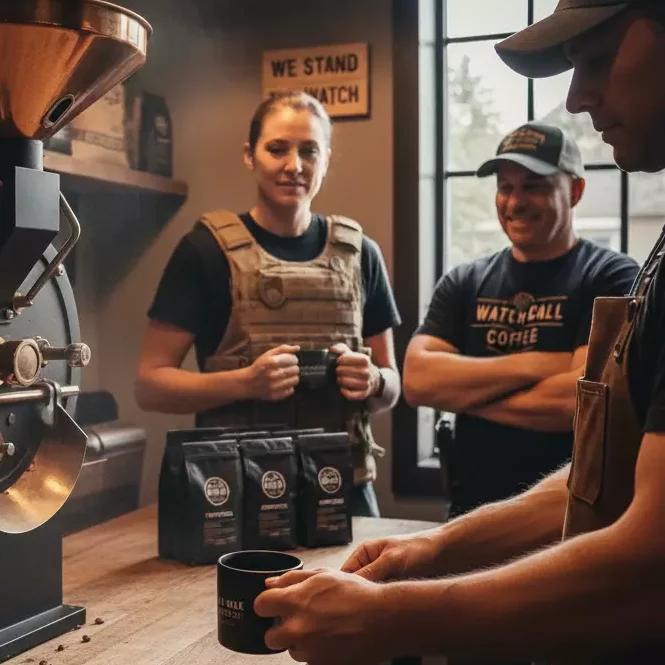
Checking in does not have to be complicated. In fact, it usually works best when it is plainspoken and real.
People in service roles often learn to keep moving. Finish the shift. Clear the call. Write the report. Get through the next post. Go home and try to be normal.
That mindset can help someone function under pressure. But when it becomes silence all the time, the weight can get heavier.
A check-in creates a small opening. It tells someone they are seen. It gives them permission to speak if they are ready. It reminds them that they are not just their job, their uniform, their badge, their rank, or their post.
Practical check-in examples
A good check-in can sound ordinary. That is part of why it works.
- “How are you really doing?”
- “You seemed quiet after shift — want to talk?”
- “I’m grabbing coffee. Sit with me for a minute.”
- “You don’t have to carry that one alone.”
The goal is not to force a conversation. The goal is to make it easier for someone to tell the truth if they need to.
Example 1: After a hard shift
A coworker comes off post quieter than usual. Instead of letting it pass, you keep it simple:
“That was a rough one. I’m going to grab coffee before I head out. Sit with me for a few minutes?”
No speech. No pressure. Just presence.
Example 2: When “I’m fine” does not sound fine
Sometimes the first answer is automatic. If “I’m fine” does not sound fine, it is okay to ask once more with care:
“I hear you. I’m still checking in, though. You have seemed off this week. I’m here if you want to talk.”
That second ask can matter.
Coffee and the Conversation
Coffee is not a cure. It is not treatment. It is not a replacement for professional support.
But coffee can create a moment.
Before shift. After shift. In the break room. At the kitchen table. At the station. In the quiet few minutes before the day starts again.
For correctional workers, first responders, veterans, and families, those ordinary moments can become openings for connection. A cup of coffee gives people a reason to sit down, slow down, and talk without making the conversation feel formal.
That is where Watch Call Coffee’s mission lives. Not in overpromising what coffee can do, but in using coffee as common ground for a better habit: checking in.
Great coffee for a hard job should still be great coffee. That is why Watch Call Coffee focuses on small-batch roasted coffee, roast-to-order freshness, and straightforward blends made for people who want a solid cup before, during, or after a long shift.
The mission matters. The coffee does too.
How Watch Call Coffee Carries That Mission

Watch Call Coffee is a veteran-owned coffee company built for the service community. That includes correctional workers, first responders, veterans, and the families and friends who support them.
The brand is rooted in a simple idea: check in on your people.
That mission shows up in several ways:
- Veteran-owned: Built by people who understand service, long hours, and duty.
- Corrections-aware: Centered on the often-overlooked world of correctional workers behind the fence.
- Small-batch roasted coffee: Made with care for people who appreciate a fresh, dependable cup.
- Mission-forward support: A portion of every sale supports correctional-worker mental health and PTSD resources.
- Community-minded: Built around the belief that checking in can make a difference.
Watch Call Coffee supports organizations and resources connected to correctional-worker wellness, including Desert Waters Correctional Outreach, which focuses on wellbeing for corrections and public-safety professionals through training, consulting, research, resilience, mental health, and wellness resources.
The goal is not to turn trauma into a sales pitch. It is to offer good coffee with a check-in built into it.
A Simple Watch Call You Can Make Today
You do not need a title, rank, or formal program to check in on someone. You just need to notice, ask, and follow through.
Here are a few simple ways to make a watch call today:
- Send a text. “Thinking about you. How are you holding up?”
- Bring coffee to a coworker. Use the moment to sit for a few minutes, not just drop it off and leave.
- Ask twice when needed. If “I’m fine” does not sound fine, gently ask again.
- Listen without immediately fixing. Sometimes people need to be heard before they need advice.
- Know when to encourage professional help. If someone seems overwhelmed, unsafe, or at risk, help them connect with proper support.
- Follow up later. One check-in is good. A second one tells them you meant it.
If someone may be in crisis, take it seriously. Stay with them if it is safe to do so, contact emergency services if needed, or connect them with immediate support. In the United States and Canada, the 988 Suicide & Crisis Lifeline is available by calling or texting 988.
For general mental-health information, resources from the National Institute of Mental Health and SAMHSA may also be helpful.
Note: This article is not medical advice. If you or someone you know is experiencing a mental-health crisis, suicidal thoughts, or immediate danger, contact a qualified professional, crisis line, emergency service, or trusted local resource right away.
Where Duty Meets Coffee
A watch call does not have to be complicated.

Sometimes it is a radio check. Sometimes it is a text message. Sometimes it is a coworker noticing that someone has been quieter than usual. Sometimes it is a cup of coffee at the end of a long shift and a conversation that reminds someone they are not alone.
That is the heart of Watch Call Coffee.
The work behind the fence is hard. First responder work is hard. Military service leaves its own marks. Families carry more than they often say. The whole service community benefits when people check in, listen well, and make support part of the culture instead of waiting for a crisis.
Watch Call Coffee exists to serve that mission with small-batch roasted coffee made for long shifts, hard jobs, and the people who keep showing up.
Good coffee matters. So does the reason behind it.
Grab a Bag for Your Next Long Shift
If this mission matters to you, make your next cup part of the check-in.
Grab a bag for your next long shift — and help support correctional-worker mental health with every purchase.
Shop Watch Call Coffee and support the cause.